Recovery is the bottleneck of progress. You can train as hard as you want, but if your body can't repair and rebuild between sessions, you're leaving results on the table — or worse, accumulating injuries. That's where peptides come in.
In 2026, the peptide landscape for muscle recovery is more refined than ever. Here are the best peptides for muscle recovery, ranked by evidence, versatility, and real-world results.
1. BPC-157: The Gold Standard for Tissue Repair
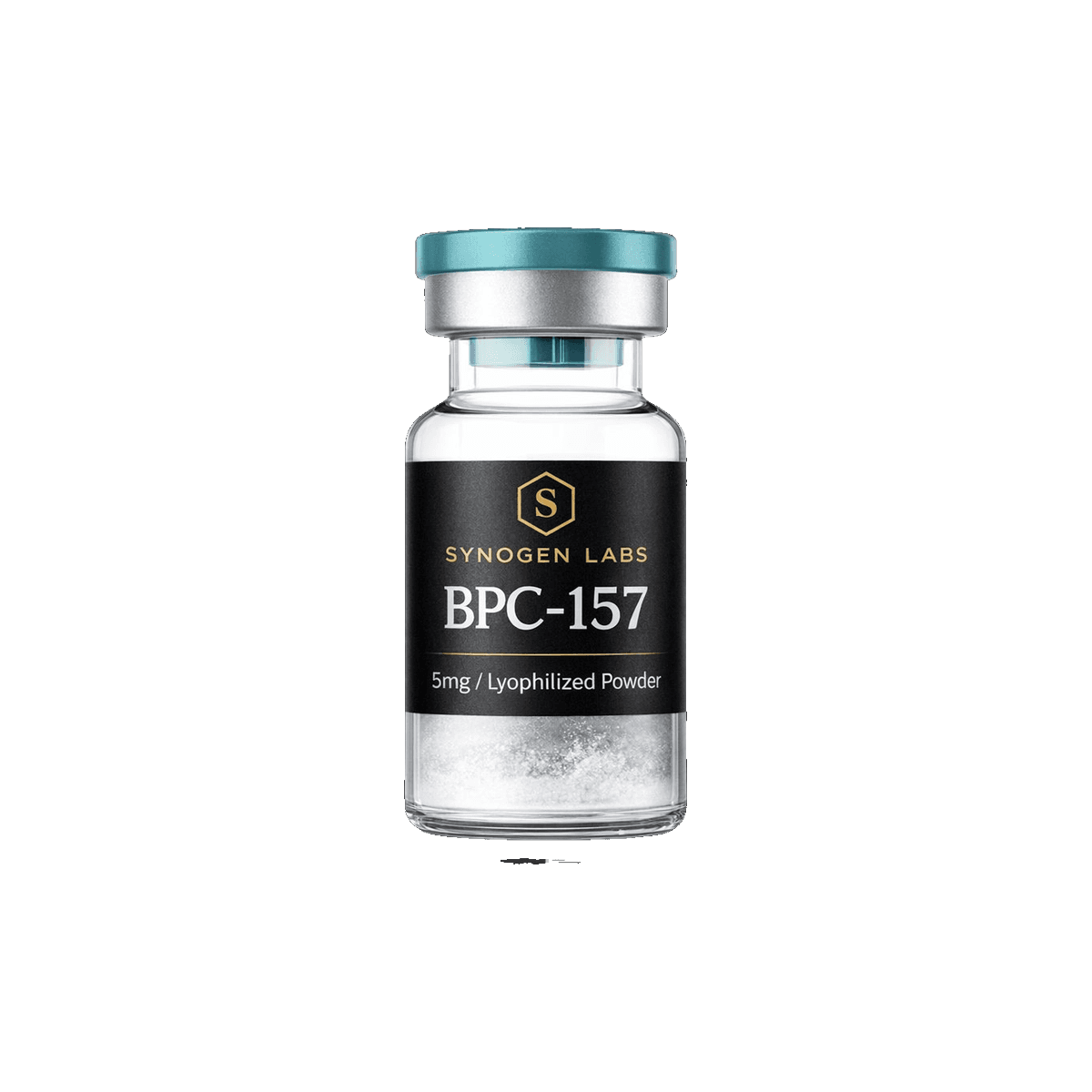
BPC-157 remains the most popular recovery peptide for good reason. This 15-amino-acid compound, derived from human gastric juice, has demonstrated healing effects across virtually every tissue type studied: muscle, tendon, ligament, bone, and even the gastrointestinal tract.
Why it works: BPC-157 upregulates growth hormone receptors, promotes angiogenesis (new blood vessel formation), and modulates the nitric oxide system. These mechanisms accelerate the body's natural repair processes at the cellular level.
Best for: Tendon and ligament injuries, muscle tears, post-surgical recovery, and chronic overuse injuries that won't resolve with rest alone.
Protocol: 250–500mcg daily, injected subcutaneously near the injury site. Run for 4–8 weeks. Many users see noticeable improvement within the first 7–14 days.
BPC-157 is the peptide most users start with — and for many, it's the only one they need. Its broad-spectrum healing action and excellent safety profile make it the foundation of any recovery stack.
2. TB-500: Systemic Recovery and Flexibility
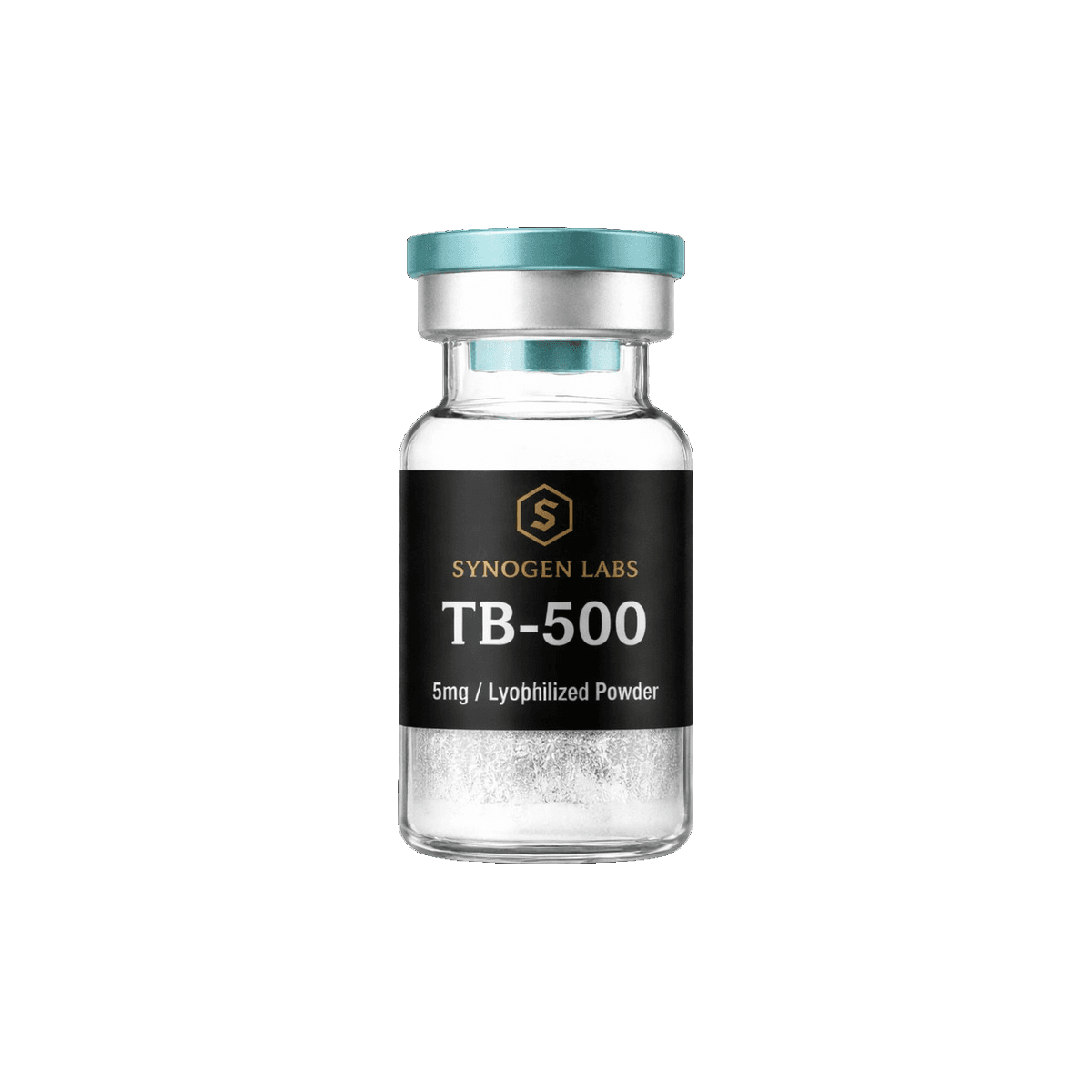
TB-500 (Thymosin Beta-4) is the natural complement to BPC-157. While BPC-157 excels at local tissue repair, TB-500 provides systemic anti-inflammatory and regenerative effects throughout the entire body.
Why it works: TB-500 promotes cellular migration — the process by which repair cells move to damaged tissue. It also upregulates actin, a protein essential for cell structure and movement, and supports the formation of new blood vessels.
Best for: Systemic inflammation, multiple injury sites, chronic muscle tightness, and overall recovery optimization. TB-500 is particularly valued by athletes who train at high volume and need whole-body recovery support.
Protocol: 2–5mg per week, typically split into 2–3 subcutaneous injections. Loading phase of 4–6 weeks, followed by a maintenance dose of 2mg weekly if needed.
3. BPC-157 + TB-500 Blend: The Recovery Stack
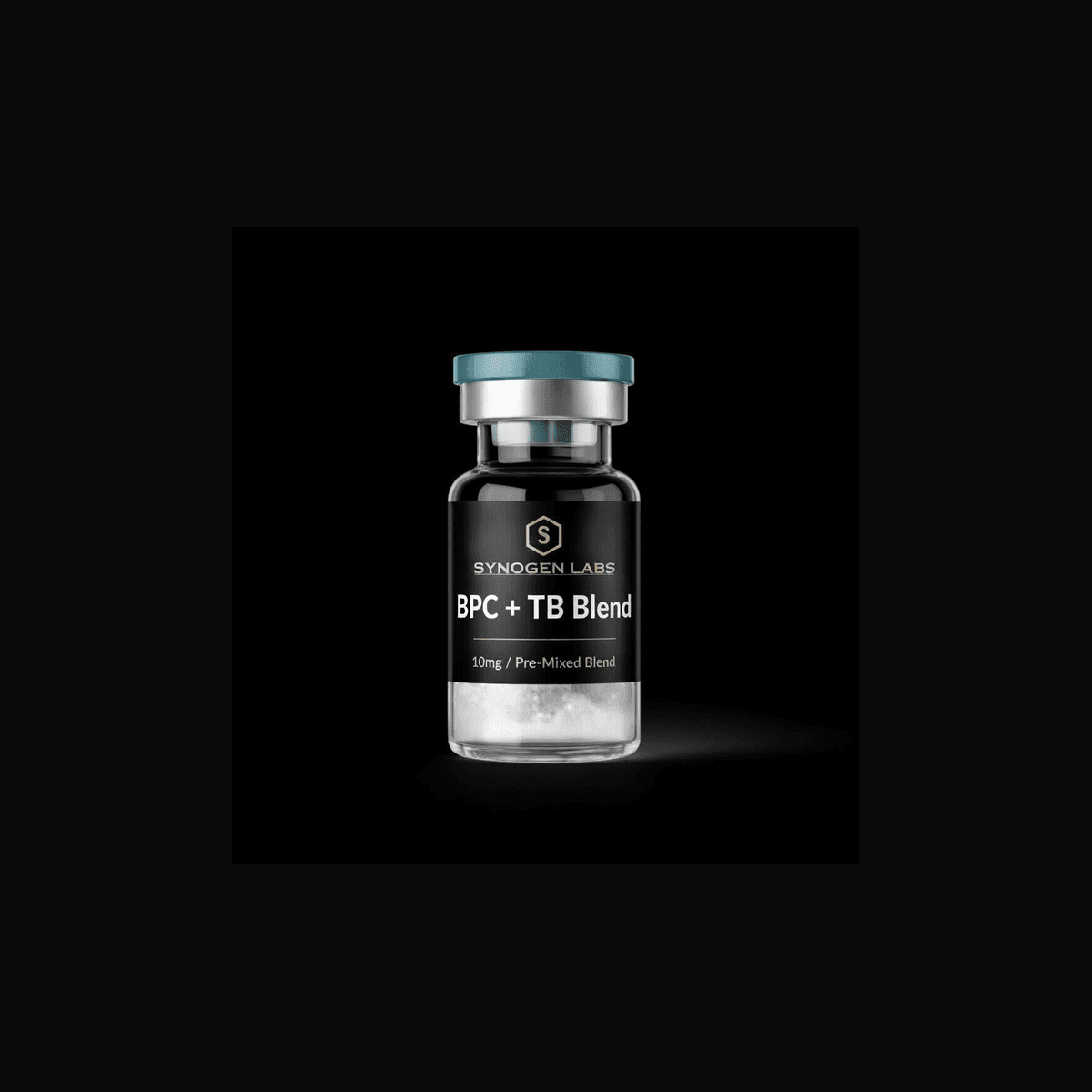
Combining BPC-157 and TB-500 has become the default recovery protocol for serious athletes and those dealing with stubborn injuries. The two peptides work through complementary mechanisms, and anecdotal reports consistently describe faster results with the combination than either peptide alone.
Why it works: BPC-157 handles local repair and angiogenesis while TB-500 manages systemic inflammation and cellular migration. Together, they address both the local and systemic components of recovery simultaneously.
Best for: Acute injuries, post-surgical recovery, chronic injuries that haven't responded to single-peptide protocols, and aggressive training blocks where recovery demands are high.
Protocol: Pre-mixed blends (5mg BPC-157 + 5mg TB-500 per vial) simplify dosing. Reconstitute with 2mL bacteriostatic water, and 10 units delivers 250mcg of each peptide. Standard protocol is 250–500mcg of each daily for 4–8 weeks.
4. CJC-1295 + Ipamorelin: Growth Hormone Optimization
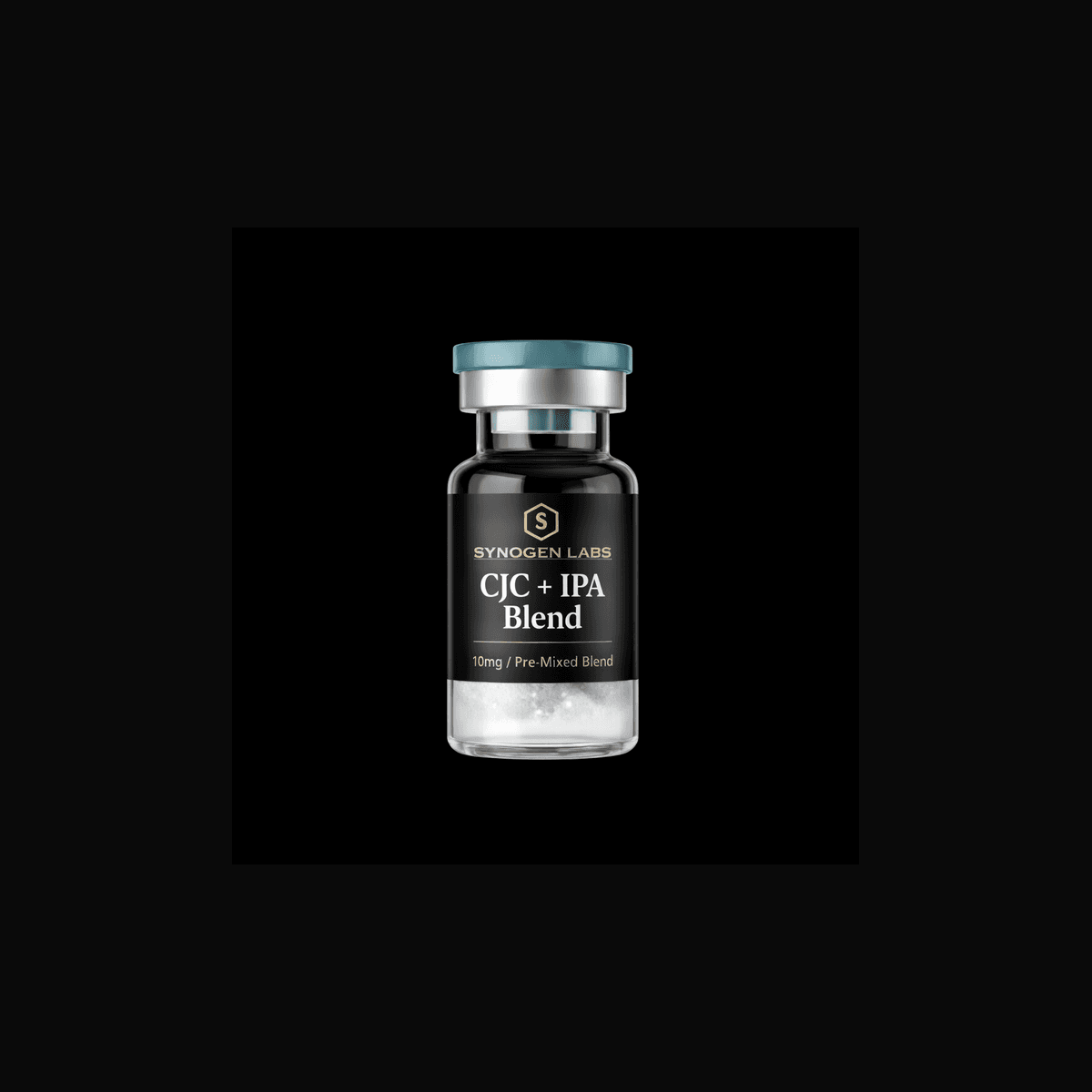
While not directly a "healing" peptide, the CJC-1295/Ipamorelin combination supports recovery through growth hormone optimization. Elevated GH levels during sleep enhance tissue repair, protein synthesis, and fat metabolism — all of which contribute to faster recovery.
Why it works: CJC-1295 (a GHRH analogue) stimulates the pituitary to produce more growth hormone, while Ipamorelin (a GHRP) amplifies GH release pulses. Together, they produce a synergistic increase in GH output without the side effects of exogenous HGH.
Best for: Overall recovery optimization, improved sleep quality, body composition support, and age-related decline in recovery capacity. This stack is particularly popular among users over 30 who notice their recovery isn't what it used to be.
Protocol: 100–300mcg of each peptide, injected subcutaneously 1–3 times daily (most commonly before bed). Pre-mixed CJC/Ipa blends simplify this to a single injection. Run for 8–12 weeks, with 4 weeks off between cycles.
5. GHK-Cu: The Recovery Accelerator for Connective Tissue
GHK-Cu earns its spot on this list for its unique ability to support connective tissue recovery — an area where other peptides are less targeted. Its collagen-stimulating and anti-inflammatory properties make it valuable for tendon, ligament, and joint recovery.
Why it works: GHK-Cu stimulates collagen types I and III, promotes glycosaminoglycan synthesis, and provides antioxidant protection to recovering tissues. It also modulates over 4,000 genes related to tissue repair and inflammation.
Best for: Tendon and ligament recovery, post-injury collagen remodeling, and skin/scar healing after surgery.
Protocol: 1–2mg daily, subcutaneous injection. Can also be applied topically over the injury site. Run for 4–8 weeks.
Stacking Strategies for Maximum Recovery
Here are three proven recovery stacks, organized by goal:
The Acute Injury Stack
- BPC-157: 500mcg daily (near injury site)
- TB-500: 2.5mg twice weekly
- Duration: 4–6 weeks
The Complete Recovery Protocol
- BPC-157 + TB-500 blend: 500mcg of each daily
- CJC-1295 + Ipamorelin: 200mcg of each before bed
- Duration: 8 weeks
The Connective Tissue Rebuild
- BPC-157: 250mcg twice daily
- GHK-Cu: 1mg daily
- Duration: 6–8 weeks
Recovery Beyond Peptides
Peptides are powerful tools, but they work best as part of a comprehensive recovery approach. Don't neglect the fundamentals:
- Sleep: 7–9 hours in a cool, dark room. This is when most tissue repair occurs.
- Nutrition: Adequate protein (1.6–2.2g/kg body weight), micronutrient density, and sufficient calories to support repair.
- Hydration: Dehydration impairs every aspect of recovery. Aim for 3–4 liters daily.
- Load management: Periodize your training. Peptides can't compensate for chronically exceeding your recovery capacity.
Choosing the Right Peptides for Your Goals
The best peptides for muscle recovery depend on your specific situation. For a single nagging injury, BPC-157 alone may be sufficient. For whole-body recovery optimization during a hard training block, the BPC/TB stack with CJC/Ipa covers all bases. For connective tissue-specific issues, adding GHK-Cu provides targeted support.
Start with the simplest effective protocol, assess your response after 2–3 weeks, and add compounds only if needed. More isn't always better — but the right peptides at the right time can dramatically accelerate your return to full performance.
Whatever you choose, pharmaceutical-grade purity is non-negotiable. Third-party lab reports should verify identity, purity, and sterility before any compound goes into your body.