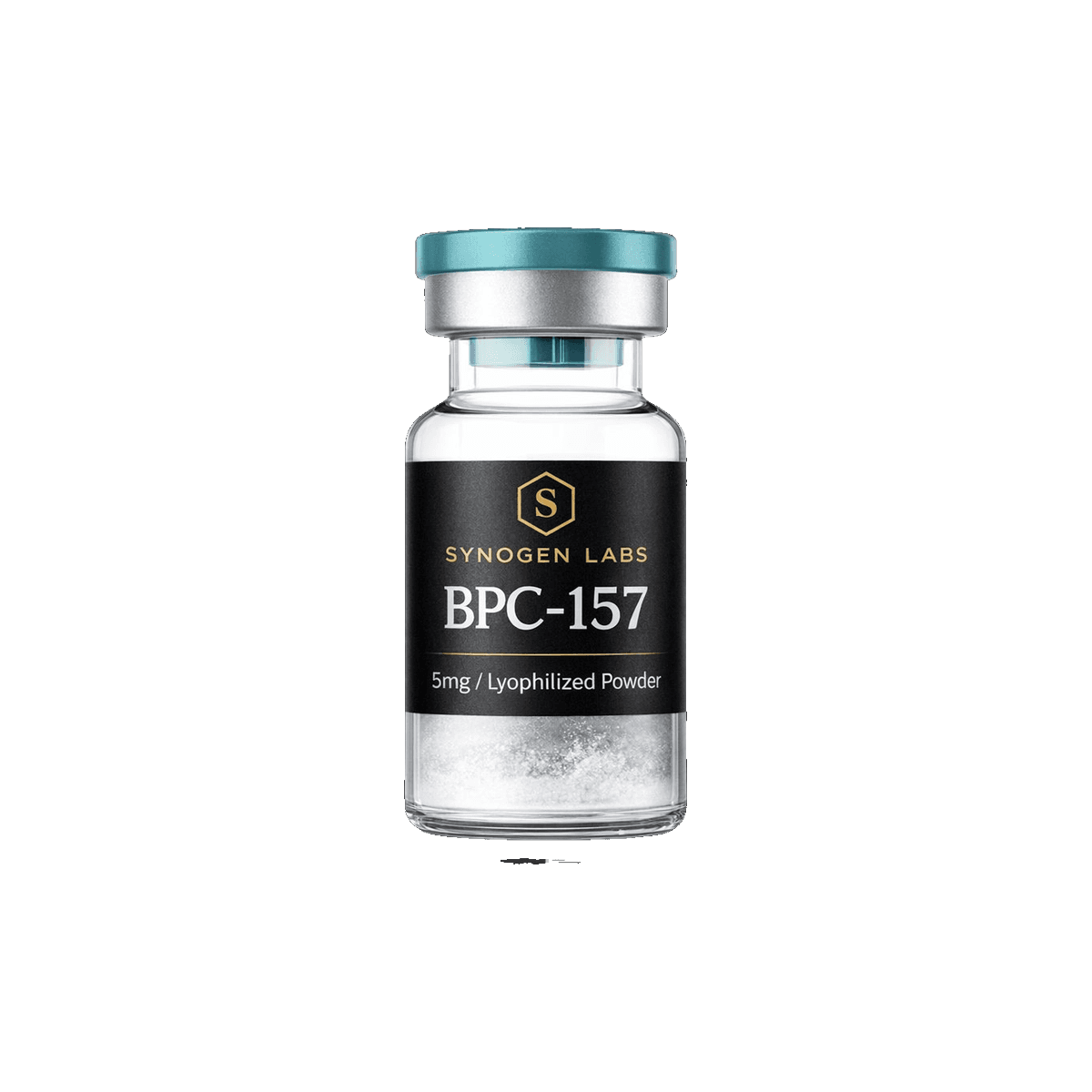
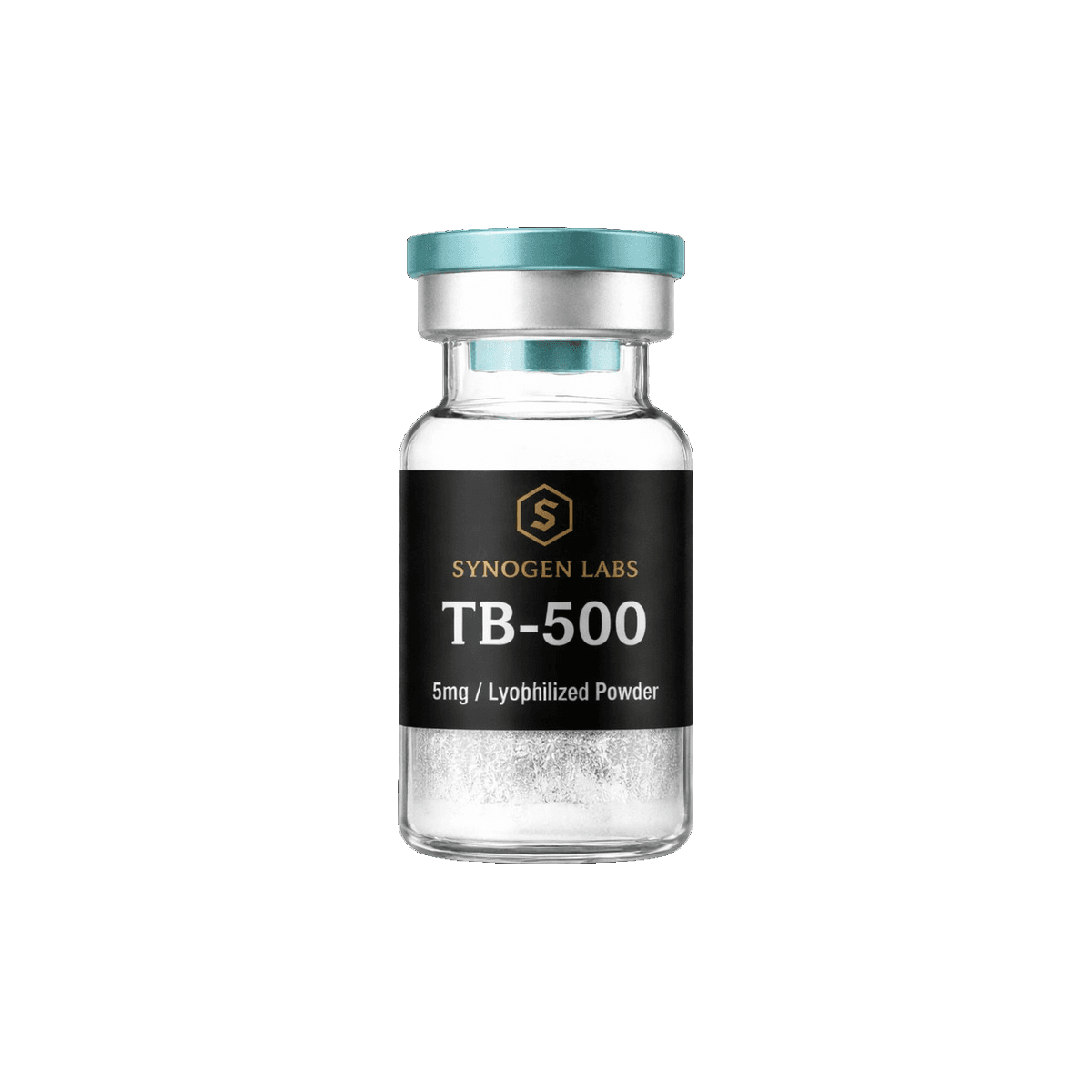
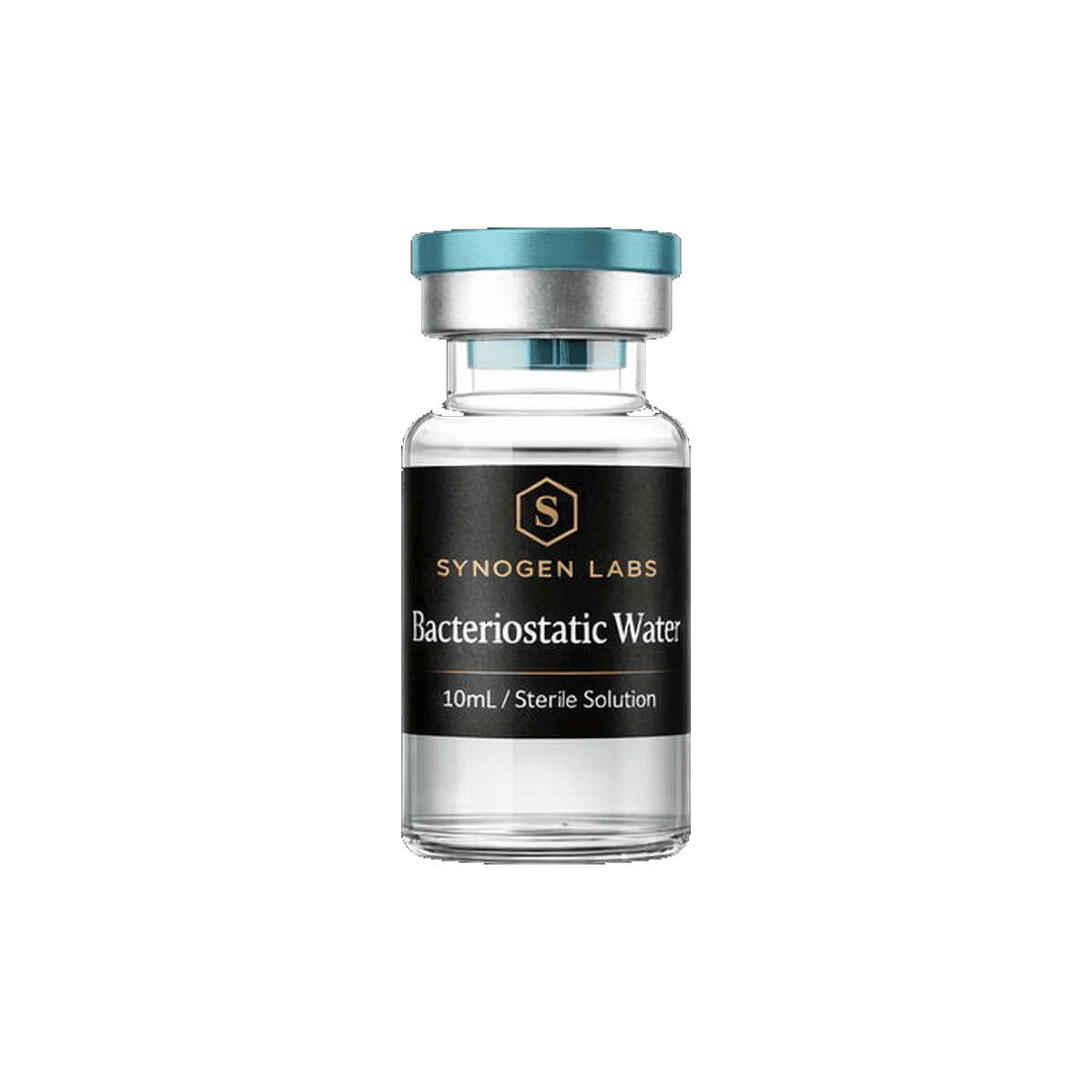
BPC-157 (Body Protection Compound-157) is one of the most widely researched peptides in the regenerative medicine space. Originally isolated from human gastric juice, this 15-amino-acid peptide has demonstrated remarkable tissue-healing properties across dozens of animal studies. But getting the dosage right is critical to seeing results.
In this guide, we break down everything you need to know about BPC-157 dosage — from reconstitution basics to practical injection protocols.
What Is BPC-157?
BPC-157 is a synthetic peptide derived from a naturally occurring protein found in human stomach acid. It belongs to a class of compounds known as "body protection compounds" due to its demonstrated ability to accelerate the healing of a wide range of tissues, including tendons, ligaments, muscle, and the gastrointestinal tract.
Research suggests BPC-157 works through multiple mechanisms: upregulating growth factor expression, promoting angiogenesis (new blood vessel formation), and modulating the nitric oxide system. These pathways contribute to its broad-spectrum healing effects.
Standard BPC-157 Dosage Protocols
The most commonly referenced BPC-157 dosage in research and community protocols falls between 250mcg and 500mcg per day. Some users split this into two administrations (morning and evening), while others prefer a single daily injection.
Here's a quick reference:
- Conservative protocol: 250mcg once daily
- Standard protocol: 250mcg twice daily (500mcg total)
- Aggressive protocol: 500mcg twice daily (1mg total) — typically reserved for acute injuries
Most protocols run for 4 to 6 weeks, though some users extend to 8 weeks for chronic conditions. A common approach is to cycle 4 weeks on, 2 weeks off.
Reconstitution: The Math
BPC-157 typically comes as a lyophilized (freeze-dried) powder in 5mg vials. To use it, you need to reconstitute it with bacteriostatic water.
The key formula is simple:
If you add 2mL of bacteriostatic water to a 5mg vial:
- 5mg ÷ 2mL = 2.5mg/mL = 2,500mcg/mL
- Each 0.1mL (10 units on an insulin syringe) = 250mcg
This is the most popular reconstitution ratio because it makes dosing straightforward. Drawing 10 units gives you exactly 250mcg, and 20 units gives you 500mcg.
If you prefer 1mL of bacteriostatic water:
- 5mg ÷ 1mL = 5mg/mL = 5,000mcg/mL
- Each 0.1mL = 500mcg
This higher concentration is useful if you want fewer injection volumes but requires more precise measuring.
Subcutaneous vs Intramuscular Injection
BPC-157 can be administered via subcutaneous (under the skin) or intramuscular injection. Both routes are effective, but each has trade-offs.
Subcutaneous injection is the most common method. It's easier, less painful, and allows for systemic distribution. Most users inject into the abdominal fat or the fatty tissue near the injury site.
Intramuscular injection delivers the peptide directly into muscle tissue, which may provide faster local absorption. Some practitioners recommend this route for muscle-specific injuries.
For general healing and gut-health protocols, subcutaneous injection near the navel is the standard. For targeted tissue repair, injecting as close to the injury site as possible — whether subcutaneously or intramuscularly — is preferred.
Stacking BPC-157 with TB-500
One of the most popular peptide stacks pairs BPC-157 with TB-500 (Thymosin Beta-4). These two compounds work through complementary mechanisms: BPC-157 promotes local tissue repair and angiogenesis, while TB-500 supports systemic inflammation reduction and cellular migration.
A typical combined protocol:
- BPC-157: 250–500mcg daily
- TB-500: 2–5mg per week (often split into 2–3 doses)
Many users report accelerated results when running both peptides simultaneously, particularly for stubborn injuries that haven't responded to BPC-157 alone. Pre-mixed BPC-157 + TB-500 blends are also available for convenience.
Storage and Handling
Proper storage is essential for maintaining peptide potency:
- Before reconstitution: Store lyophilized vials in the refrigerator (2–8°C). They can also be stored at room temperature for short periods, but cold storage extends shelf life significantly.
- After reconstitution: Always refrigerate. Use within 3–4 weeks for optimal potency. Never freeze reconstituted peptides.
- Use bacteriostatic water (not sterile water) for reconstitution — the benzyl alcohol preservative prevents bacterial growth in multi-use vials.
What to Expect
Most users report noticeable improvements within the first 1–2 weeks, though some conditions may take longer. Common early signs of the BPC-157 dosage working include reduced pain at the injury site, improved range of motion, and faster recovery between training sessions.
Gut-health benefits (for those using BPC-157 for gastrointestinal support) typically become apparent within 2–3 weeks, with progressive improvement over the full protocol duration.
Key Takeaways
BPC-157 is one of the most versatile peptides available for tissue repair and recovery. Getting the BPC-157 dosage right starts with proper reconstitution, choosing the right administration route, and running a protocol that matches your goals. Whether you're dealing with a nagging tendon injury or looking to support gut health, a well-structured BPC-157 protocol can be a powerful addition to your recovery stack.
As always, source your peptides from a provider that publishes third-party lab reports. Purity matters — and with compounds this potent, you want to know exactly what you're putting into your body.