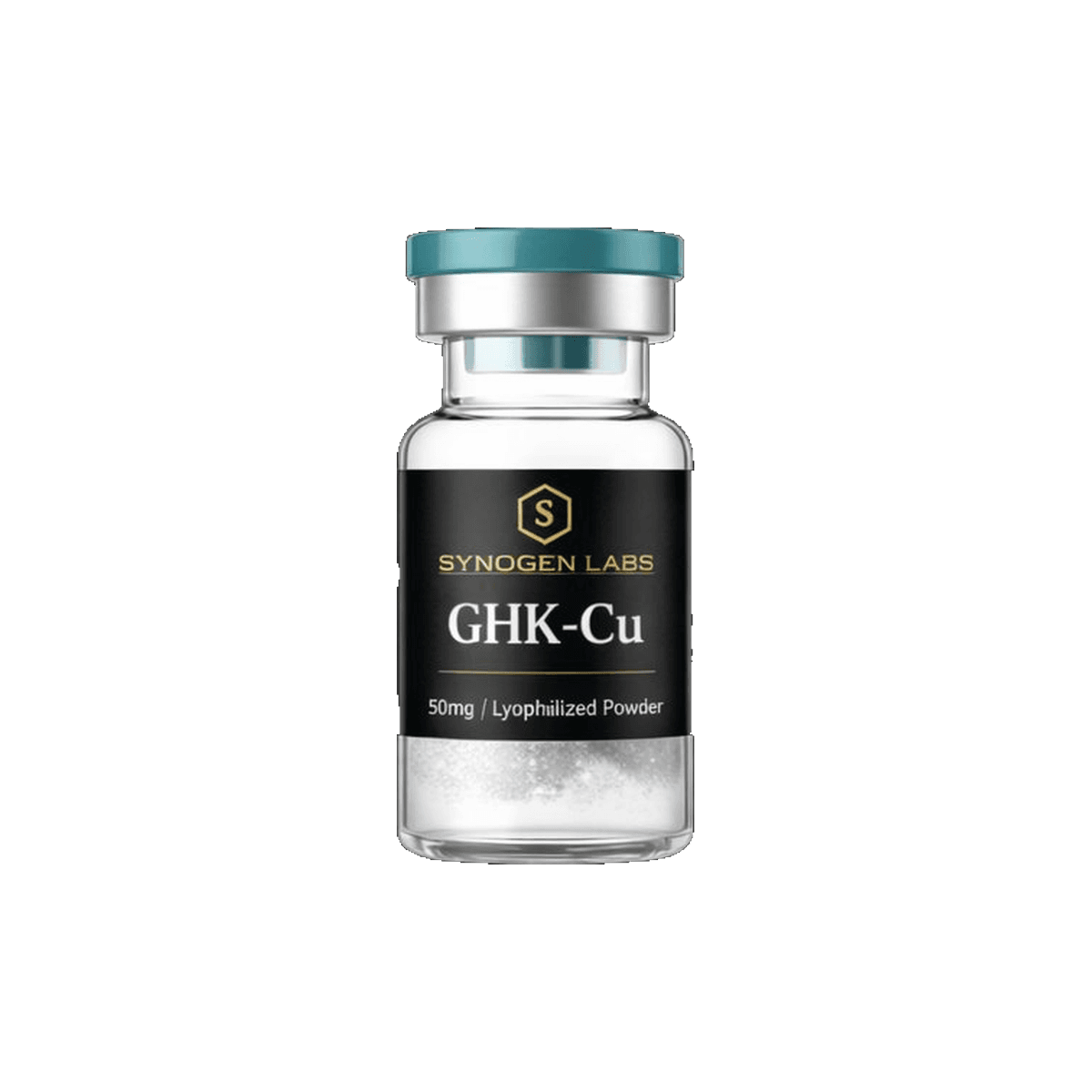
GHK-Cu (glycyl-L-histidyl-L-lysine copper) is a naturally occurring copper peptide found in human plasma, saliva, and urine. First identified in 1973, it has since become one of the most studied peptides in dermatology and regenerative medicine — and for good reason.
The GHK-Cu benefits span skin rejuvenation, wound healing, hair restoration, and anti-inflammatory support. Here's what the science says and how this peptide is being used today.
What Is GHK-Cu?
GHK-Cu is a tripeptide (three amino acids: glycine, histidine, and lysine) complexed with a copper ion. It occurs naturally in the human body, with plasma levels around 200ng/mL in young adults. However, GHK-Cu levels decline significantly with age — by age 60, levels drop to roughly 80ng/mL, a 60% reduction.
This age-related decline correlates with many of the visible signs of aging: thinning skin, slower wound healing, reduced collagen production, and declining hair quality. Supplementing GHK-Cu aims to restore these functions to more youthful levels.
Collagen and Skin Rejuvenation
The most well-documented GHK-Cu benefit is its ability to stimulate collagen synthesis. Research has shown that GHK-Cu promotes the production of collagen types I, III, and V — the primary structural proteins responsible for skin firmness, elasticity, and hydration.
Studies have demonstrated that GHK-Cu:
- Increases collagen production in dermal fibroblasts
- Stimulates glycosaminoglycan synthesis (including hyaluronic acid)
- Promotes elastin production for improved skin elasticity
- Increases integrin expression, supporting skin structure
In clinical observations, topical application of GHK-Cu has been associated with improved skin thickness, reduced fine lines, and enhanced overall skin texture. These effects typically become noticeable after 4–8 weeks of consistent use.
Wound Healing and Tissue Repair
GHK-Cu has been extensively studied for its wound healing properties. The peptide accelerates multiple phases of the healing process:
Inflammation phase: GHK-Cu attracts immune cells to the wound site and promotes the production of anti-inflammatory cytokines, helping to manage the inflammatory response without suppressing it entirely.
Proliferation phase: The peptide stimulates fibroblast proliferation, new blood vessel formation (angiogenesis), and nerve growth. This accelerates tissue rebuilding at the wound site.
Remodeling phase: GHK-Cu promotes proper collagen organization during scar formation, which can result in less visible scarring and stronger healed tissue.
Animal studies have shown that GHK-Cu-treated wounds close faster, produce stronger scar tissue, and show increased blood vessel density compared to untreated controls.
Hair Growth Support
One of the more exciting areas of GHK-Cu research is its potential for hair restoration. The copper peptide has demonstrated multiple mechanisms relevant to hair health:
- Increased hair follicle size: GHK-Cu has been shown to enlarge hair follicles, potentially reversing the miniaturization process that characterizes pattern hair loss
- Extended growth phase: The peptide may prolong the anagen (active growth) phase of the hair cycle
- Improved scalp blood flow: Through its pro-angiogenic effects, GHK-Cu supports nutrient delivery to hair follicles
- DHT modulation: Some research suggests GHK-Cu may inhibit 5-alpha reductase, the enzyme that converts testosterone to DHT
While GHK-Cu research for hair growth is still emerging compared to its skin data, early results are promising and it's increasingly included in advanced hair restoration protocols.
Anti-Inflammatory and Antioxidant Properties
GHK-Cu functions as a potent antioxidant through multiple pathways. It increases the production of superoxide dismutase (SOD), a critical enzyme that neutralizes free radicals. It also stimulates the production of other protective enzymes and has been shown to reduce oxidative damage markers in tissue samples.
The anti-inflammatory effects of GHK-Cu are equally notable. The peptide modulates the expression of multiple inflammatory genes — research has identified over 4,000 human genes whose expression is influenced by GHK-Cu, with a net effect of reducing chronic inflammation while supporting healthy acute inflammatory responses.
How to Use GHK-Cu
GHK-Cu can be administered through multiple routes, depending on your goals:
Topical application: GHK-Cu is commonly included in serums and creams at concentrations of 0.1–1%. This route is ideal for targeting facial skin rejuvenation, spot treatment of scars, or scalp application for hair support. Apply to clean skin once or twice daily.
Subcutaneous injection: For systemic benefits beyond skin-deep effects, subcutaneous injection delivers GHK-Cu directly into the body. Typical protocols use 1–2mg daily, reconstituted from lyophilized powder with bacteriostatic water.
Mesotherapy / microneedling: Some practitioners combine GHK-Cu with microneedling treatments to enhance penetration into the dermal layer. This approach is particularly popular for scar revision and facial rejuvenation.
GHK-Cu in Combination Protocols
GHK-Cu is frequently combined with other peptides for enhanced results. Popular combinations include:
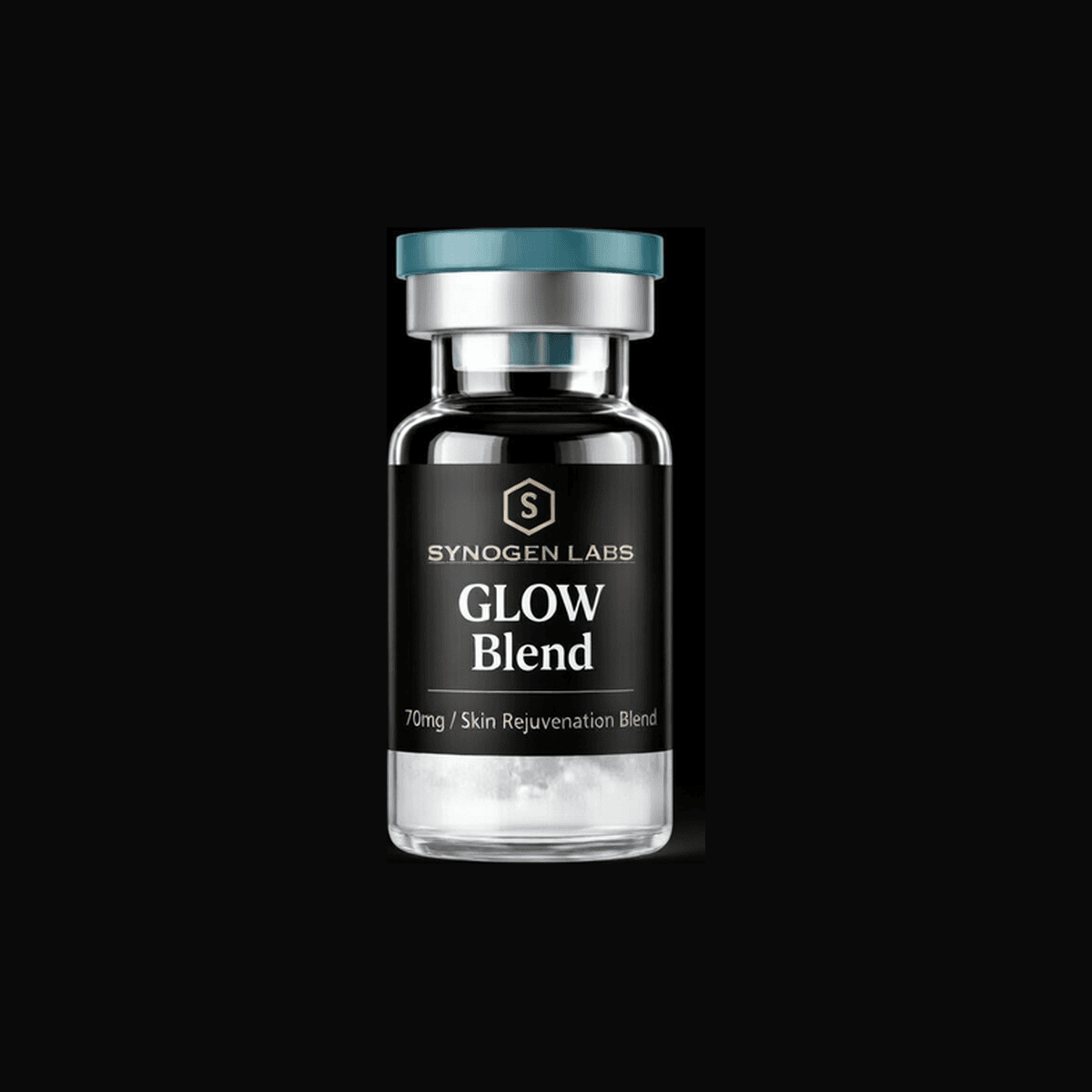
- GHK-Cu + BPC-157 + TB-500 (GLOW Blend): A triple-action skin and tissue rejuvenation stack combining collagen stimulation, tissue repair, and inflammation reduction
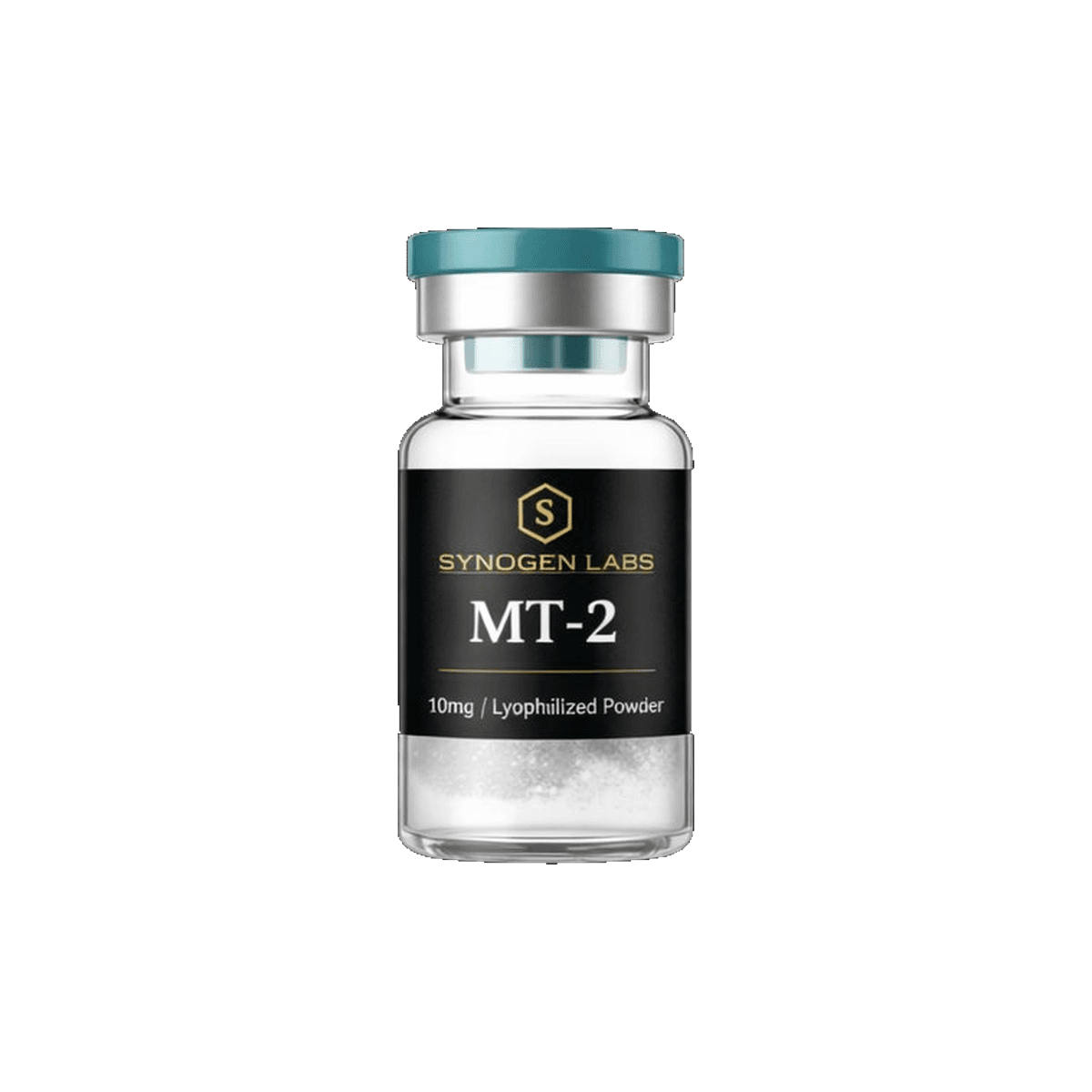
- GHK-Cu + MT-2: Skin quality improvement paired with melanogenesis support for those seeking both better skin texture and enhanced pigmentation
- GHK-Cu + Epithalon: An anti-aging stack combining collagen support with telomerase activation for comprehensive longevity support
What to Expect: Timeline of Results
GHK-Cu benefits develop gradually as collagen synthesis and tissue remodeling take time:
- Weeks 1–2: Improved skin hydration and subtle glow
- Weeks 3–4: Noticeable improvement in skin texture and tone
- Weeks 6–8: Visible reduction in fine lines, improved firmness
- Weeks 8–12: Significant collagen remodeling, scar improvement, potential hair changes
Consistency is key with GHK-Cu. Unlike peptides that produce acute effects, the benefits of GHK-Cu compound over time as new collagen is deposited and tissue remodeling progresses.
The Bottom Line
GHK-Cu is one of the most well-supported peptides for skin health, wound healing, and anti-aging. Its natural occurrence in the human body, combined with decades of research, makes it a compelling option for anyone looking to support tissue quality from the cellular level up. Whether used topically for targeted skin benefits or injected for systemic support, GHK-Cu delivers measurable results when used consistently.
For maximum impact, consider pharmaceutical-grade GHK-Cu verified by third-party testing — purity directly affects efficacy, especially with a compound this well-characterized.