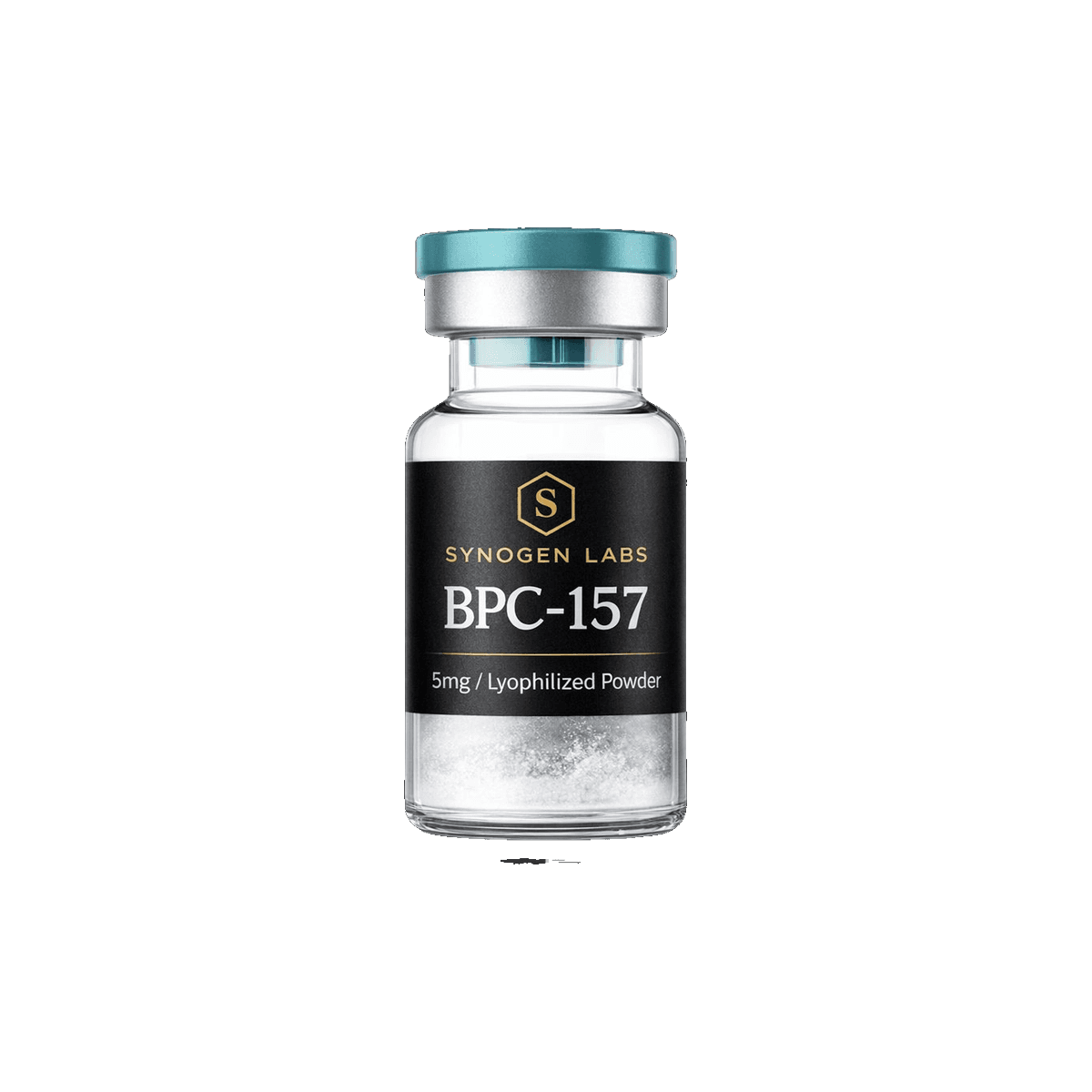
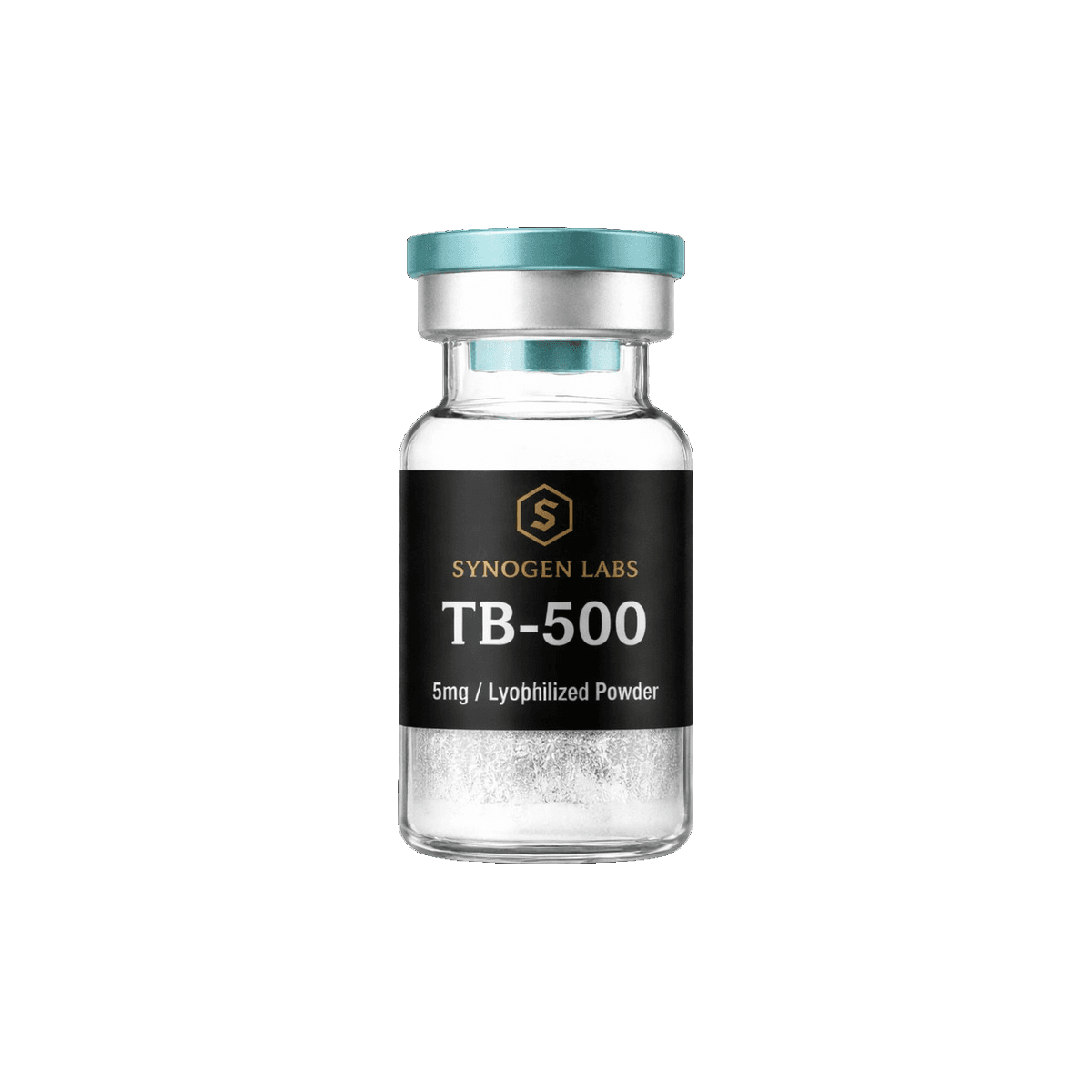
Reconstituting lyophilized peptides is one of the most important skills for anyone working with these compounds. Get it wrong, and you risk destroying your peptide or dosing inaccurately. Get it right, and you'll have a precisely dosed solution ready for use.
This guide walks you through the complete peptide reconstitution process — from supplies to storage.
What You'll Need
Before you start, gather the following:
- Lyophilized peptide vial — the freeze-dried powder
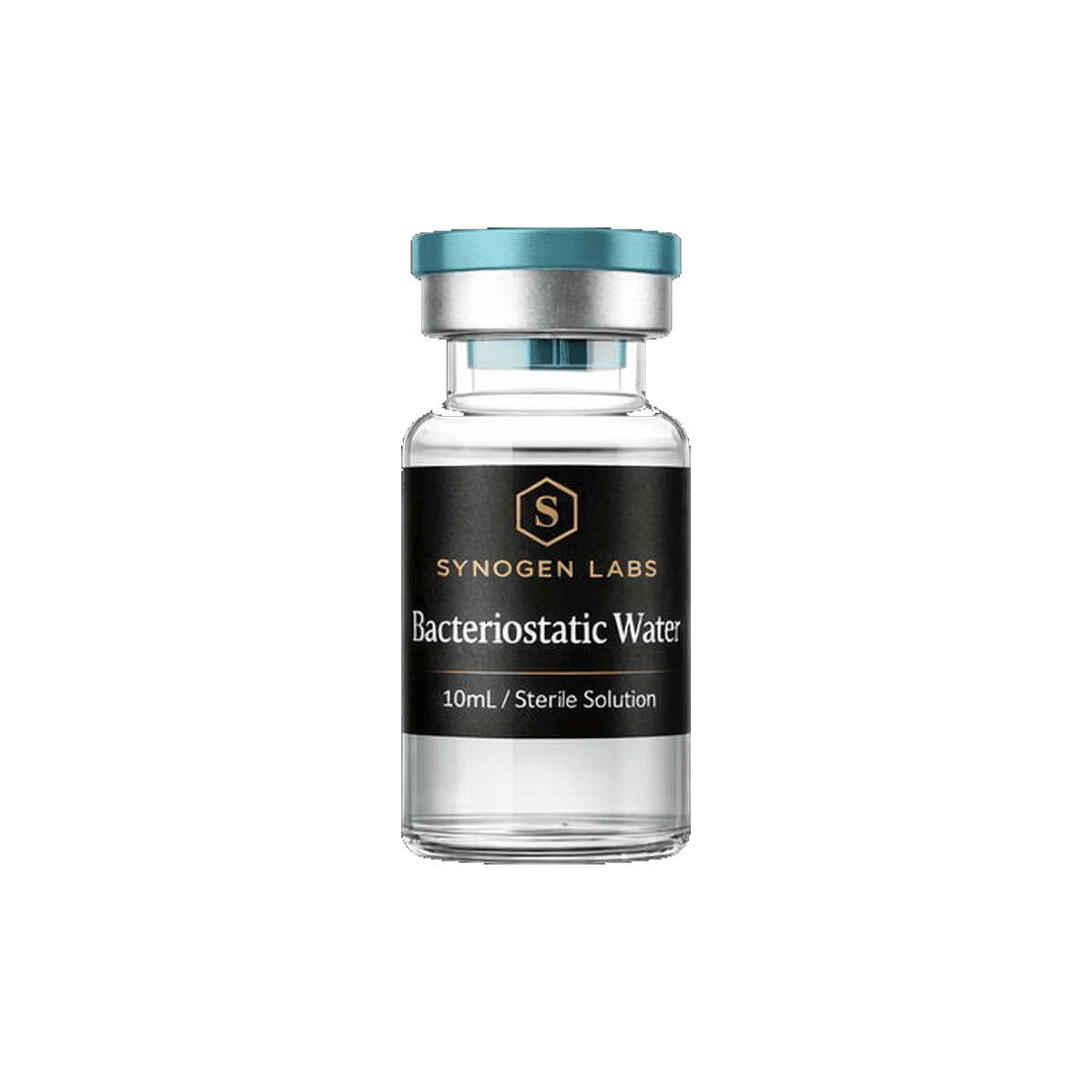
- Bacteriostatic water (BAC water) — sterile water with 0.9% benzyl alcohol
- Insulin syringes — 1mL (100 unit) with fine gauge needles
- Alcohol swabs — for sterilizing vial tops
Never use plain sterile water for multi-use vials. Bacteriostatic water contains benzyl alcohol as a preservative, which prevents bacterial growth. This is essential when you'll be drawing from the same vial multiple times over several weeks.
Step-by-Step Reconstitution Process
Step 1: Prepare Your Workspace
Work on a clean, flat surface. Wash your hands thoroughly. Have all supplies within reach before you begin.
Step 2: Swab the Vial Tops
Use alcohol swabs to clean the rubber stopper on both the peptide vial and the bacteriostatic water vial. Allow them to air dry for a few seconds — don't blow on them.
Step 3: Draw the Bacteriostatic Water
Using a clean insulin syringe, draw your desired volume of bacteriostatic water. The amount depends on the concentration you want (see the dilution math section below).
Step 4: Add Water to the Peptide Vial
This is the critical step. Insert the needle into the peptide vial at an angle, aiming the stream of water at the inside wall of the vial — not directly onto the powder.
Let the water slide gently down the glass wall and contact the powder gradually. This prevents damage to the peptide structure from the force of direct injection.
Important: Do not shake the vial. If the powder doesn't dissolve immediately, gently swirl the vial in a circular motion or let it sit in the refrigerator for 15–30 minutes. The powder will dissolve on its own.
Step 5: Verify the Solution
A properly reconstituted peptide should produce a clear, colorless solution. If you see cloudiness, particles, or discoloration, something may have gone wrong. Common causes include contamination, improper storage of the lyophilized peptide, or using degraded bacteriostatic water.
Dilution Math: Calculating Your Concentration
The concentration of your reconstituted peptide determines how much solution you need to draw for each dose. Here's the universal formula:
Concentration (mcg/unit) = Total peptide (mcg) ÷ Total water added (units)
Remember: 1mL = 100 units on a standard insulin syringe.
Common Examples
5mg vial + 2mL BAC water:
- 5,000mcg ÷ 200 units = 25mcg per unit
- For a 250mcg dose: draw 10 units
- For a 500mcg dose: draw 20 units
5mg vial + 1mL BAC water:
- 5,000mcg ÷ 100 units = 50mcg per unit
- For a 250mcg dose: draw 5 units
- For a 500mcg dose: draw 10 units
10mg vial + 2mL BAC water:
- 10,000mcg ÷ 200 units = 50mcg per unit
- For a 500mcg dose: draw 10 units
- For a 1mg dose: draw 20 units
Pro tip: Adding 2mL to a 5mg vial is the most common ratio because the resulting concentrations align neatly with standard insulin syringe markings.
Storage After Reconstitution
Once reconstituted, your peptide solution needs proper storage:
- Temperature: Refrigerate at 2–8°C (standard refrigerator temperature). Never freeze reconstituted peptides.
- Light exposure: Keep vials away from direct light. Some users wrap vials in foil for extra protection, though this is optional if they're stored in a dark corner of the fridge.
- Duration: Use within 3–4 weeks of reconstitution. While bacteriostatic water extends shelf life versus sterile water, potency does gradually decline over time.
- Handling: Always swab the stopper before each draw. Minimize the number of needle punctures through the stopper.
Common Reconstitution Mistakes
Avoid these frequent errors that can compromise your peptide:
1. Spraying water directly onto the powder. This can denature the peptide due to the force of the stream. Always aim at the vial wall.
2. Shaking the vial. Vigorous shaking introduces air bubbles and can damage fragile peptide bonds. Gentle swirling is all that's needed.
3. Using sterile water instead of bacteriostatic water. Sterile water lacks preservatives and allows bacterial growth. It should only be used for single-use preparations.
4. Leaving reconstituted peptides at room temperature. Heat accelerates degradation. Return vials to the fridge immediately after each use.
5. Reusing syringes. Always use a fresh, sterile syringe for each draw. Reusing syringes risks contamination and dulls the needle, making injections more painful.
6. Incorrect math. Double-check your dilution calculations before your first draw. A miscalculation at the reconstitution stage affects every subsequent dose.
Reconstituting Pre-Mixed Blends
Pre-mixed peptide blends (like BPC-157 + TB-500 blends) are reconstituted the same way as single peptides. The total peptide content is the sum of both compounds — for example, a 10mg blend vial with 5mg BPC-157 + 5mg TB-500.
Add 2mL of bacteriostatic water, and each 10 units delivers 250mcg of each peptide simultaneously. This is one of the main advantages of pre-mixed formulations: simplified dosing with a single injection.
Quick Reference Card
- Always use bacteriostatic water for multi-dose vials
- Aim water at the vial wall, never directly at the powder
- Swirl gently — never shake
- Refrigerate immediately after reconstitution
- Use within 3–4 weeks
- 2mL per 5mg vial = easiest dosing math
- Always swab vial tops and use sterile syringes
Proper reconstitution is the foundation of any peptide protocol. Take the time to get it right, and you'll ensure consistent, accurate dosing throughout your entire cycle.