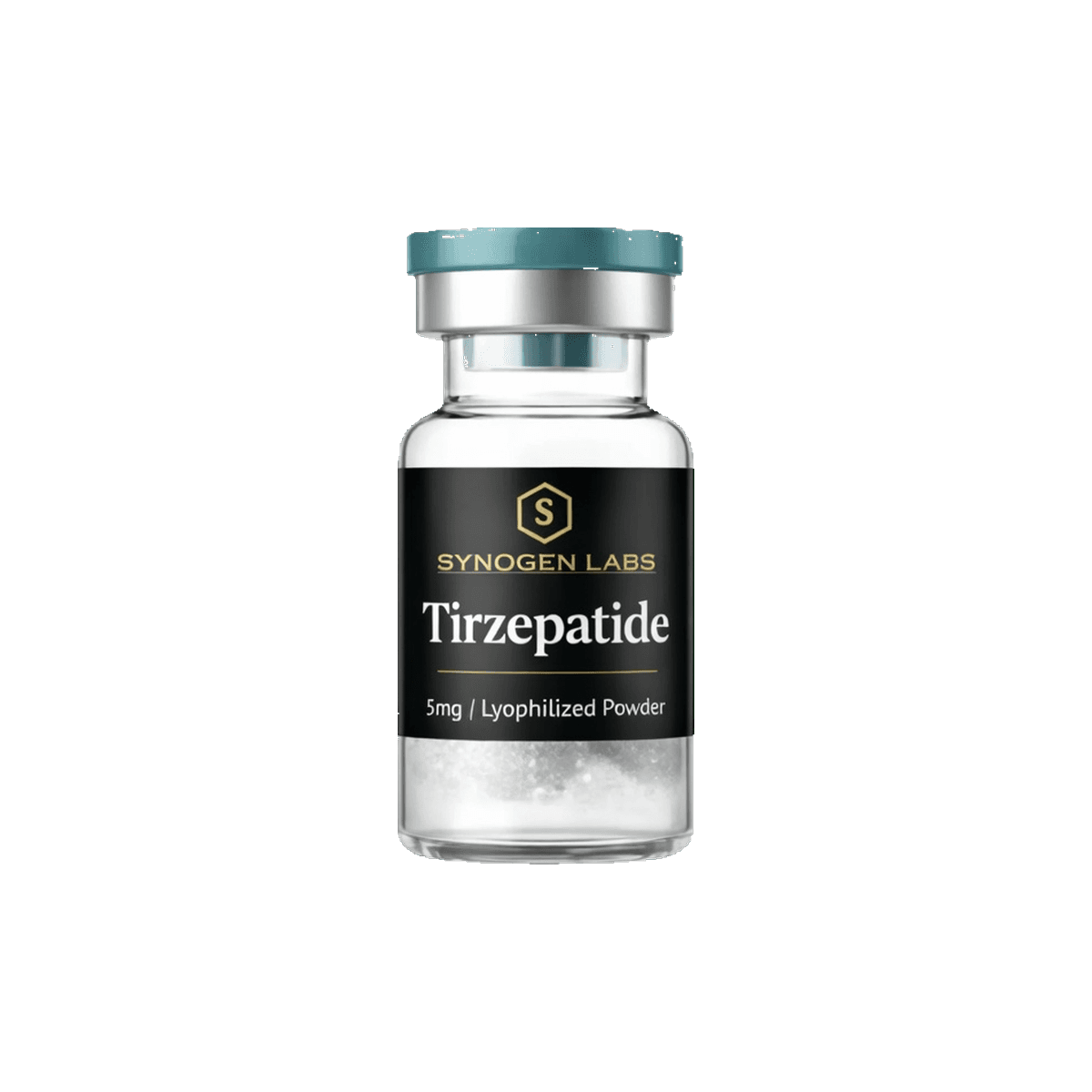
The GLP-1 receptor agonist market has exploded in recent years, with semaglutide and tirzepatide emerging as the two dominant compounds for metabolic support and weight management. Both have demonstrated impressive results in clinical trials, but they work through different mechanisms and suit different profiles.
In this comprehensive comparison, we break down everything you need to know to make an informed decision between semaglutide and tirzepatide.
How Semaglutide Works
Semaglutide is a GLP-1 (glucagon-like peptide-1) receptor agonist. It mimics the action of the naturally occurring incretin hormone GLP-1, which is released by the gut after eating. By activating GLP-1 receptors, semaglutide produces several metabolic effects:
- Appetite suppression: Acts on hypothalamic receptors to reduce hunger signaling
- Delayed gastric emptying: Slows stomach emptying, promoting satiety
- Enhanced insulin secretion: Stimulates glucose-dependent insulin release
- Reduced glucagon: Suppresses inappropriate glucagon secretion
Semaglutide has been the most extensively studied GLP-1 agonist, with the STEP trial program demonstrating average weight loss of 15–17% of body weight over 68 weeks at the highest doses.
How Tirzepatide Works
Tirzepatide is a dual GIP/GLP-1 receptor agonist — meaning it activates both the GLP-1 receptor and the GIP (glucose-dependent insulinotropic polypeptide) receptor. This dual mechanism is what sets tirzepatide apart from semaglutide and other single-agonist compounds.
The addition of GIP receptor activation provides:
- Enhanced fat metabolism: GIP receptors in adipose tissue influence lipid storage and mobilization
- Improved insulin sensitivity: Dual incretin action produces stronger glycemic control
- Potentially superior weight loss: The combined mechanism may amplify metabolic effects beyond what GLP-1 alone achieves
In the SURMOUNT-1 trial, tirzepatide demonstrated average weight loss of up to 22.5% at the highest dose (15mg) over 72 weeks — surpassing semaglutide's clinical data.
Efficacy Comparison
When comparing semaglutide vs tirzepatide head-to-head, the data consistently favors tirzepatide for total weight loss. However, the differences may be less dramatic at comparable dose titrations, and individual response varies significantly.
Semaglutide (2.4mg weekly):
- Average weight loss: ~15–17% of body weight
- Onset of effects: 4–8 weeks
- Plateau: typically 40–60 weeks
Tirzepatide (15mg weekly):
- Average weight loss: ~20–22.5% of body weight
- Onset of effects: 4–8 weeks
- Plateau: typically 60–72 weeks
It's worth noting that these are averages from clinical trials. Real-world results depend on diet, activity level, starting weight, and metabolic health. Some users respond exceptionally well to semaglutide and see diminishing additional benefit from switching to tirzepatide.
Side Effect Profiles
Both compounds share a similar side effect profile, as expected given their overlapping mechanisms. The most common side effects are gastrointestinal:
- Nausea (most common, usually temporary)
- Diarrhea or constipation
- Decreased appetite (the intended effect, but can be excessive)
- Injection site reactions
- Fatigue during the first few weeks
Most GI side effects are dose-dependent and can be minimized through slow titration. Starting at the lowest dose and increasing gradually over 4–8 weeks allows the body to adapt and significantly reduces nausea.
Tirzepatide may produce slightly more GI effects at equivalent efficacy levels due to its dual-agonist mechanism, though this varies by individual. Both compounds have excellent long-term safety profiles based on available trial data.
Dosing Protocols
Semaglutide titration schedule:
- Weeks 1–4: 0.25mg weekly
- Weeks 5–8: 0.5mg weekly
- Weeks 9–12: 1.0mg weekly
- Weeks 13+: 1.7–2.4mg weekly (based on response and tolerance)
Tirzepatide titration schedule:
- Weeks 1–4: 2.5mg weekly
- Weeks 5–8: 5mg weekly
- Weeks 9–12: 7.5mg weekly
- Weeks 13+: 10–15mg weekly (based on response and tolerance)
Both protocols emphasize gradual dose escalation. Rushing the titration is the most common mistake and leads to unnecessary side effects.
Which Should You Choose?
The choice between semaglutide and tirzepatide depends on several factors:
Choose semaglutide if:
- You're new to GLP-1 agonists and want the most studied option
- You have moderate weight loss goals (10–15%)
- You prefer the compound with the longest safety track record
- Budget is a primary consideration
Choose tirzepatide if:
- You have more aggressive weight loss goals (15–25%)
- You've tried semaglutide and plateaued
- You have significant insulin resistance or metabolic syndrome
- You want the latest-generation dual-action mechanism
The Next Generation: Retatrutide
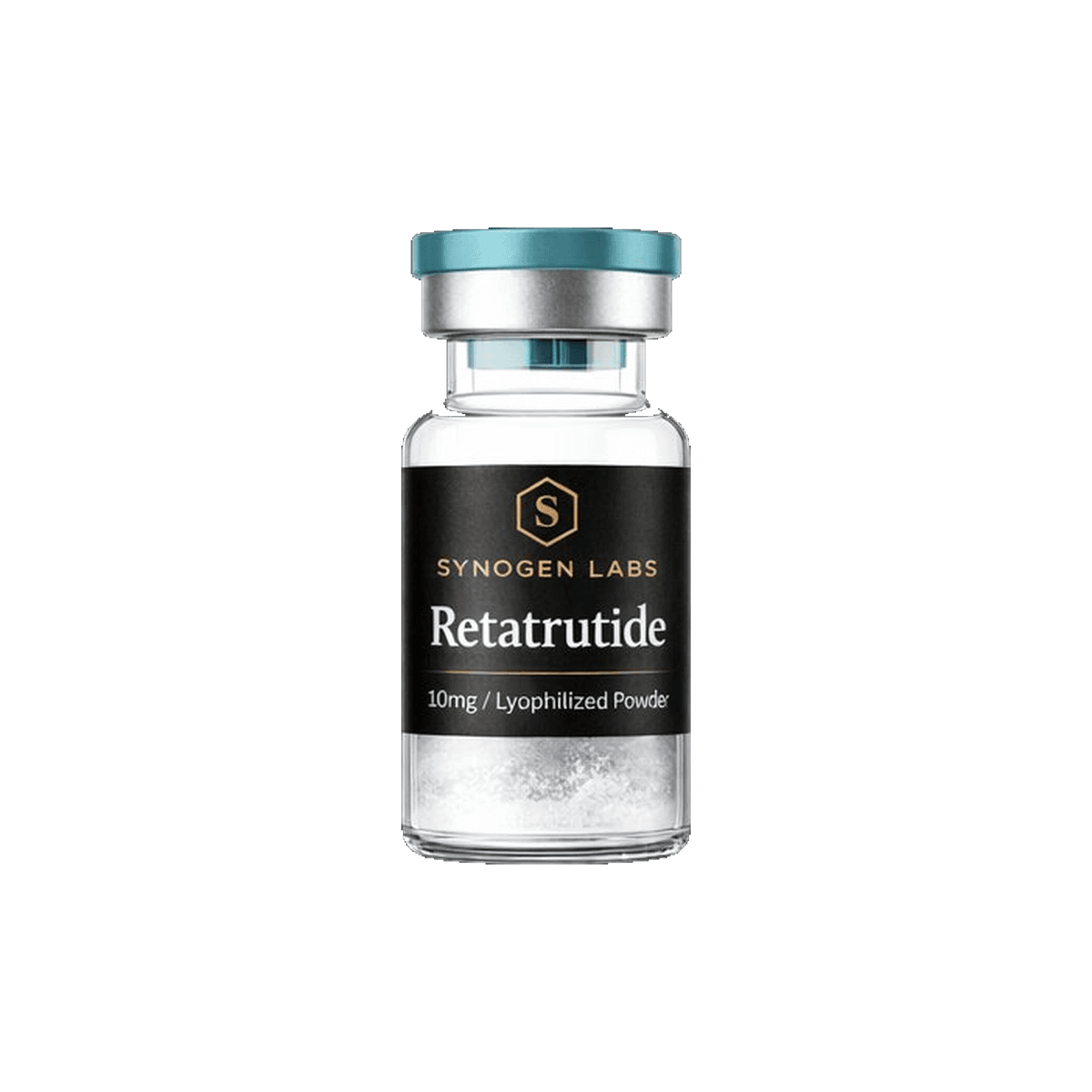
For those interested in the cutting edge, retatrutide represents the next evolution — a triple agonist targeting GLP-1, GIP, and glucagon receptors simultaneously. Early trial data suggests even greater weight loss potential, though it's still earlier in its development cycle. We carry retatrutide for researchers following this emerging space.
Final Thoughts
Both semaglutide and tirzepatide are powerful tools for metabolic optimization when used responsibly. The "best" compound is the one that matches your specific goals, tolerance profile, and budget. Start with proper titration, monitor your body's response, and adjust accordingly.
Whichever compound you choose, sourcing matters. Always verify purity through third-party lab reports, and ensure your peptides are stored and reconstituted properly for maximum efficacy.